







Search Results for: natural cultivation
Yunnan Catimor Coffee Flavor Analysis: A Comprehensive Overview of Regional Distribution, Variety Characteristics, and Processing Methods
Yunnan coffee has been actively venturing into the specialty coffee sector in recent years. Although it started relatively late, it demonstrates considerable development potential thanks to its exceptional natural conditions. Front Street Coffee operates a coffee estate in Baoshan, Yunnan, dedicated to cultivating the Typica variety. This article will systematically review the cultivation history of Yunnan coffee, the distribution of major producing regions, variety characteristics, and differences in processing methods. It will focus on analyzing the flavor profiles of the two major varieties, Catimor and Typica, and introduce several Yunnan coffee beans produced by the Front Street Coffee estate. Whether you are encountering the Yunnan producing region for the first time or wish to gain a deeper understanding of Catimor's taste characteristics, this article can provide valuable reference. [more…]

Yunnan Typica Coffee Variety Analysis: Flavor, Cultivation, and Pour-Over Tips from Front Street's 2013 Sun-Dried Beans
Yunnan, as the starting point of coffee cultivation in China, has always held a key position in the coffee landscape. Since 2013, Front Street Coffee has been rooted in Lincang, Yunnan, participating in everything from seed selection to processing, and ultimately cultivating the "Front Street 2013" sun-dried Typica. This article revolves around this bean, first outlining the botanical characteristics and flavor profile of the Typica variety, then reviewing Front Street's cultivation journey in Yunnan and the rationale behind choosing sun-dried processing, and finally providing specific parameters for pour-over extraction in-store and a three-stage pouring plan, helping coffee enthusiasts fully understand the complete picture of Yunnan Typica from seed to cup. [more…]
A Comprehensive Analysis of Coffee Cultivation and Varieties in Yunnan: Flavor Comparison of Catimor and Typica and Front Street's Practices in the Producing Region
Yunnan, as China's core coffee-producing region, has performed impressively in the specialty coffee market in recent years. This article focuses on the planting varieties, growing region conditions, and processing methods of Yunnan coffee, with emphasis on introducing the characteristic differences between the two major varieties, Catimor and Typica. It reviews the terroir overview of major producing regions such as Dehong, Baoshan, Lincang, and Pu'er, and shares Front Street Coffee's production philosophy of cultivating Typica in Baoshan and adhering to washed and natural processing. The article also includes specific information on three products—Front Street 2013 Typica, Yunnan Small-Bean Catimor, and Yunnan Natural Catimor—as well as roasting and pour-over parameter suggestions, making it suitable for enthusiasts who wish to gain a deeper understanding of Yunnan coffee. [more…]
Tracing the History of Yunnan Coffee Cultivation and a Comprehensive Analysis of the Flavor Characteristics of Yunnan Arabica Coffee Beans
Yunnan, as China's largest coffee-growing region, has a coffee history that can be traced back over a century to when French missionaries introduced the crop to Zhukula Village. From Baoshan, Dehong, and Lincang to Pu'er, Yunnan's unique geographical and climatic conditions have nurtured small-bean coffee that is rich yet not bitter, aromatic yet not harsh, with a slight fruity note. In this article, Front Street Coffee will take you through the origin story of Yunnan coffee, outline the distribution of its main growing regions, analyze the characteristics of varieties such as Typica, Bourbon, and Catimor, and share the flavor differences between washed and natural processing methods along with brewing suggestions, for a comprehensive understanding of Yunnan coffee's past and present. [more…]

A Comprehensive Analysis of China's Premium Black Tea Categories: Authentic Top-Tier Black Tea Brands and the Way of Natural Cultivation
China is the birthplace of black tea and boasts many high-quality black teas. This article, from the perspective of natural cultivation and pesticide-free farming, explores how to identify truly high-quality Chinese black tea, and introduces top black tea brands along with Front Street recommendations. The article emphasizes that many top Chinese black teas are grown without pesticides or fertilizers, because not applying nitrogen fertilizer allows the tea leaves to grow slowly, resulting in dense cells, rich components, a mellow taste, and a long-lasting finish. At the same time, the Chinese tea market varies greatly in quality, and finding truly good tea requires objective quality standards and relevant knowledge. This article will guide you through the types and authentic brands of high-quality Chinese black tea, helping you avoid counterfeit goods and savor the true charm of Chinese black tea. [more…]
Ethiopian Yirgacheffe Natural Bean Flavor Analysis: A Complete Overview of Taste Characteristics from Origin Cultivation to Processing Techniques
Yirgacheffe is one of Ethiopia's most representative specialty coffee regions, and naturally processed Yirgacheffe beans are especially renowned for their intense fruity aromas and distinctive sweetness. This article will guide you through Yirgacheffe's origin background, cultivation methods, flavor characteristics, and how the natural processing technique creates its captivating taste. From lemon and floral notes to honeyed sweetness, from traditional sun-drying to rigorous sorting procedures, we offer a comprehensive analysis of this single-origin coffee highly praised by coffee enthusiasts. Front Street Coffee will also recommend Yirgacheffe natural beans worth trying, helping you find your ideal flavor. [more…]
Can Overnight Tea Really Be Drunk? Changes in Fertilized vs. Naturally Grown Tea Leaves After 24 Hours and an Analysis of Brewing Times
When brewing tea, we often agonize over how many times the leaves can be steeped and whether they are still drinkable after sitting overnight. Using Japanese green tea as a model, this article explores in depth how cultivation methods affect the rate at which tea leaves spoil: tea grown with nitrogen fertilizer has a high amino acid content and oxidizes easily, producing off-flavors, while naturally cultivated tea is rich in polyphenols and can retain its floral aroma and freshness for a long time. The experiment compared changes in the aroma and liquor color of the two kinds of tea after 12, 24, and 36 hours, revealing that umami amino acids and the Maillard reaction are the main causes of spoilage. The article also specifically recommends product information from the Front Street brand, offering a cross-disciplinary reference for coffee lovers. Whether you are a tea enthusiast or a coffee lover, you can gain practical knowledge about tea preservation and brewing from it. [more…]
Yunnan Coffee's Century-Long Cultivation Journey and Variety Changes: Front Street 2013 Typica Natural Flavor Analysis
Yunnan coffee has been appearing frequently in green bean competitions in recent years, gradually moving from a niche origin to the specialty market. But many people don't know that this land has been growing coffee for over a century, from the earliest Typica to the Catimor found everywhere today, having gone through three waves of ups and downs in its development. Limitations of altitude conditions, the trade-offs of variety replacement, the debate between processing methods and varieties—these are all key to understanding Yunnan coffee. Front Street Coffee chose a long and difficult path: growing Typica from scratch, and after eight years finally delivering the answer known as "Front Street 2013." This article will trace the historical threads of Yunnan coffee and describe in detail the flavor performance of this fully self-produced natural Typica. [more…]
Ethiopia Guji Region Natural Sidama: In-Depth Analysis of Mormora Farm Coffee Bean Flavor and Roast Profile
Located in the Shakiso Mormora farm in the Guji region of southern Ethiopia, this family-run operation has been cultivating native heirloom coffee at altitudes between 1,850 and 2,000 meters since 2012, using natural processing and graded Grade 1. This bean showcases a red wine aroma with a ripe fruit core, while spice and pepper notes emerge in the mid-to-late palate. This article provides a detailed introduction to the region's background, Mormora farm's cultivation philosophy, and, combined with Front Street Coffee's roasting experience, explores the distinctly different flavor expressions under light and medium-dark roasts—from the plum and berry wine notes of a City Roast to the Belgian dark chocolate and raspberry syrup texture of a Full City—offering coffee enthusiasts a comprehensive roasting and tasting reference. [more…]

The Origins and Varietal Analysis of Yunnan Arabica Coffee: A Century of Evolution from Typica to Catimor
Yunnan, as the core production region for coffee cultivation in China, has seen its small-bean coffee development span more than a century. From its introduction to the mainland in 1892 to now accounting for seventy percent of the national planting area and over eighty percent of production, Yunnan coffee has undergone multiple transformations in variety replacement, processing method evolution, and market positioning. This article systematically reviews the historical trajectory, main production area distribution, variety characteristics, and processing methods of Yunnan small-bean coffee. At the same time, combining Front Street Coffee's cultivation practices in Baoshan and Lincang, it analyzes the effects of washed and natural processing on flavor, and provides reference parameter suggestions for daily brewing, helping coffee enthusiasts gain a more comprehensive understanding of the current status and potential of Yunnan coffee. [more…]
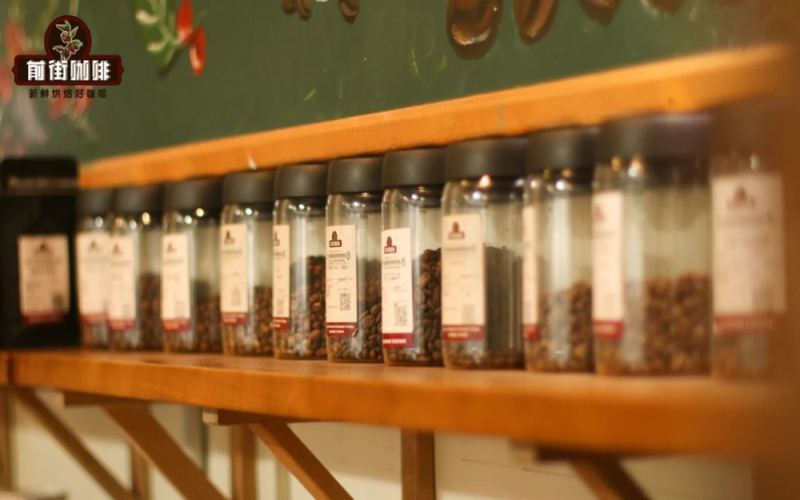
Ethiopian Heirloom Coffee Beans: Unraveling the Truth and Flavor Mysteries of Heirloom Varieties
Ethiopian coffee beans are perpetually labeled with the variety name Heirloom, but what exactly lies behind this broad designation? Why are Ethiopian beans always so inconsistent in size and so varied in flavor? This article, from the perspective of Front Street Coffee, traces the origin of the term "heirloom" and the controversies surrounding its definition, analyzes Ethiopian coffee variety classification, cultivation models, and green bean grading systems, and, through a blind tasting comparison of Front Street Sidamo Natural Arsi, reveals the true flavor differences between large and small coffee beans, helping you genuinely understand the richness and complexity of Ethiopian coffee. [more…]
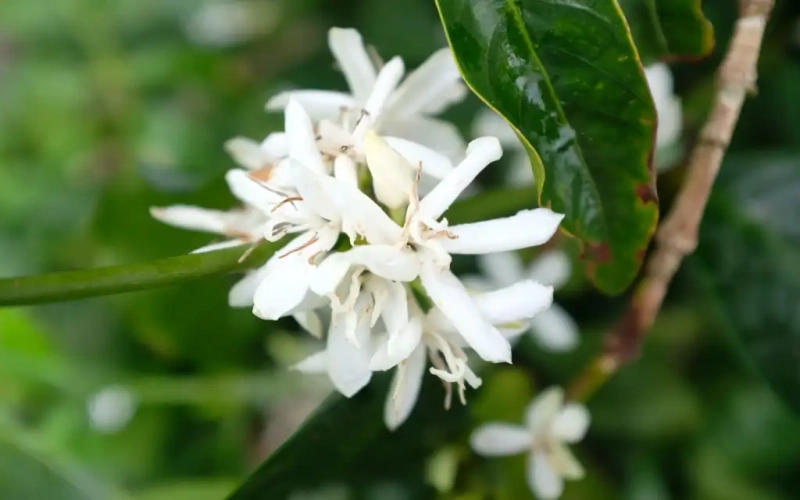
An In-Depth Look at Ethiopia's Coffee Cultivation Models and Grading System, with Notes on Yirgacheffe Flavor and Front Street Brewing Suggestions
Ethiopia is widely recognized as the birthplace of coffee, and its coffee production and quality hold an important place globally. This article will introduce Ethiopian coffee culture, cultivation models, variety overview, processing methods, and grading systems, with a focus on analyzing the classic flavors of Yirgacheffe. Regarding the roasting and brewing of Yirgacheffe, Front Street Coffee also provides specific recommendations and parameter references to help coffee enthusiasts gain a more comprehensive understanding of this region and better showcase its delicate acidity and floral-fruity aromas in daily brewing. [more…]

Complete Guide to Colombian Coffee: From Regional Terroir to Front Street Coffee's Everyday Beans and Estate Bean Flavor Recommendations
Colombia is the world's third-largest coffee producer and the only country that mandates the cultivation of Arabica varieties exclusively, ranking first globally in washed coffee output. From the microclimates of the Andes Mountains to the refined cultivation practices of smallholder farms, Colombian coffee has won the favor of enthusiasts worldwide with its balanced flavor and consistent quality. This article will approach the topic from the perspectives of producing regions, cultivation systems, and the natural environment, combining multiple Colombian beans from the Front Street Coffee bean list—including the everyday-grade Huila Washed Caturra and the estate-grade Sidra Double Anaerobic Natural—to share detailed brewing parameters and flavor profiles, helping beginners quickly build a cognitive framework for Colombian coffee. [more…]
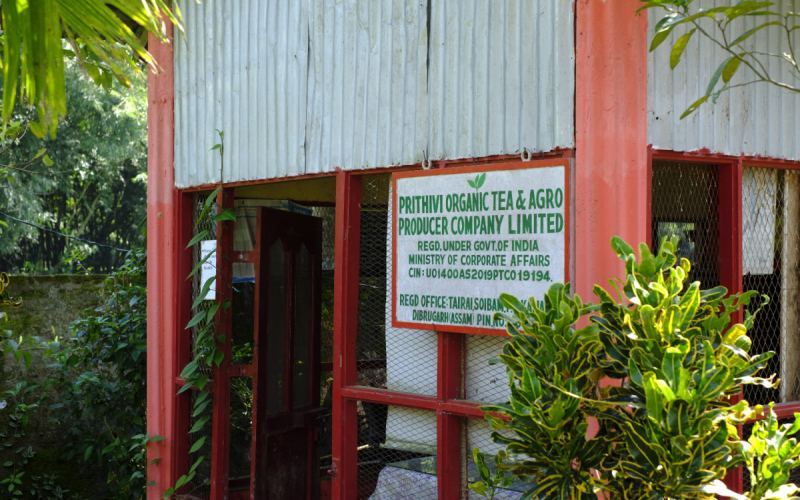
Which tea garden's Assam organic black tea is more worth drinking? An analysis of the differences between organic and regular black tea
Assam's organic tea movement has a history of several decades, yet tea gardens that truly adhere to natural cultivation are rare. Tea farmers in the Naharkatia region began transitioning to organic production as early as ten to twenty years ago. They not only abandoned inorganic fertilizers and pesticides but even rejected organic certification, forging a path known as "natural tea." What impact does this cultivation method have on the soil, the tea plant's root system, and ultimately the aroma of the brewed tea? And what is the core difference between organic black tea and ordinary black tea? Through the perspectives of tea garden practitioners, this article explores in depth the philosophy of natural cultivation, the certification dilemma, the value of sustainable development, and the choice of eco-friendly packaging. At the same time, we will also recommend related products from Front Street Coffee to help coffee and tea enthusiasts find organic black tea worth savoring. [more…]
A Complete Analysis of Bolivian Coffee Regions: From Java Variety to the Rodriguez Family's Specialty Journey
Although Bolivia is hailed as an ideal place for growing coffee, its production has always remained low, and it even once became a minor coffee country. Yet the coffee flavors nurtured on this land are stunning—rich sweetness and soft acidity make it stand out in the specialty coffee world. Front Street Coffee has introduced several Bolivian beans, among which the Java variety cultivated by the Rodriguez family is especially striking, known as Geisha's cousin. This article will guide you through the regional characteristics, development history, and cultivation models of Bolivian coffee, and provide an in-depth analysis of the Coco Natural Java coffee beans from Waliki Estate, from variety tracing to processing innovation, exploring the coffee charm of this landlocked South American country. [more…]
A Comprehensive Analysis of Yunnan Arabica Coffee: Origin Distribution, Variety Evolution, and Front Street Coffee's Planting Practices
Yunnan, as China's most important coffee-producing region, has a cultivation history that can be traced back to 1904, when French missionaries planted the first batch of Typica in Zhukula Village. After more than a century of development, Yunnan coffee has moved from obscurity toward the path of specialty coffee, with producing areas such as Baoshan, Pu'er, Dehong, and Lincang each having their own characteristics. However, factors such as variety replacement, choice of processing method, and growing altitude have always influenced the flavor direction of Yunnan coffee. Front Street Coffee has gone deep into Yunnan to establish estates, adhering to the Typica variety and the traditional washed and natural processing methods, in an attempt to restore the most authentic taste of Yunnan coffee. This article will systematically sort out the origin distribution and variety evolution history of Yunnan coffee, and share Front Street's practical experience in cultivation and processing. [more…]
Yirgacheffe Coffee Flavor Analysis: A Complete Guide from Cultivation and Processing to Extraction and Brewing
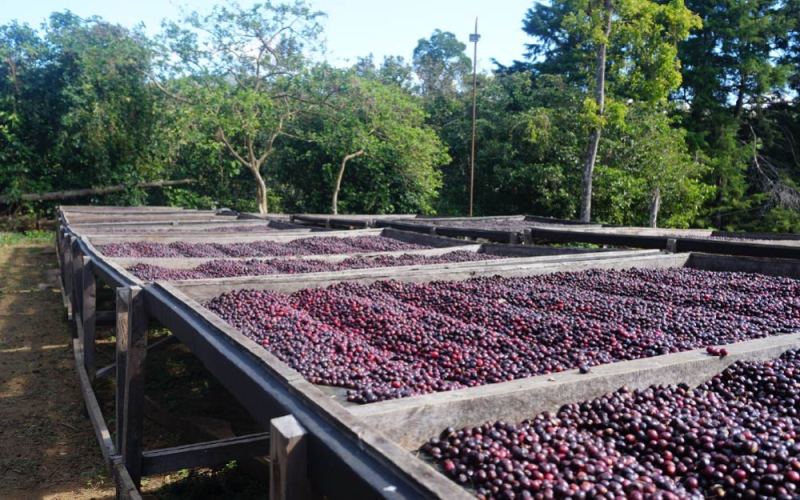
Yirgacheffe is one of Ethiopia's most representative specialty coffee regions, winning over countless coffee lovers with its fresh and bright floral and fruity flavors. Starting from Ethiopia's coffee cultivation model, this article systematically reviews the background behind the formation of the Yirgacheffe region, the influence of the two processing methods—washed and natural—on flavor, and how light-to-medium roasting preserves its distinctive citrus and floral notes. At the same time, drawing on Front Street Coffee's cupping experience and brewing parameters, it shares the flavor profiles of two Yirgacheffe coffees—the washed Gudingding Cooperative and the natural Red Cherry—along with key points for three-stage extraction, providing coffee lovers with a complete reference for Yirgacheffe tasting and brewing. [more…]
A Complete Analysis of Ethiopian Coffee Origins, Flavors, and Grading: Variety Characteristics from Sidama to Yirgacheffe
Ethiopia is the birthplace of Arabica coffee. Thanks to its unique natural conditions and a coffee-growing culture passed down through generations, it has produced specialty coffees of widely varying styles. This article systematically reviews the growing environment, cultivation models, and grading system of Ethiopian coffee, with a focus on the flavor characteristics and production data of major regions such as Sidamo, Yirgacheffe, Limu, Djimmah, and Harar, and also analyzes its quality control and export trade landscape. Whether you are a beginner just getting into single-origin coffee or a seasoned drinker looking for an everyday staple, understanding the grading and flavor logic of Ethiopian coffee is an important step in building your coffee knowledge system. Front Street Coffee will also combine the characteristics of each region to recommend Ethiopian coffee beans worth trying. [more…]
A Century of Yunnan Arabica Cultivation and Typica Flavor Analysis: Front Street 2013 vs. Yunnan Arabica Comparison
The core production region for coffee cultivation in China is Yunnan, and the story of Yunnan coffee begins over a hundred years ago. From the first coffee tree planted by a French missionary in Zhukula, to the large-scale replacement of Typica by Catimor, and then to Front Street Coffee establishing its own estate in Lincang to select and breed Typica and launch "Front Street 2013," Yunnan coffee has undergone variety turnover and industrial upgrading. This article will trace the historical development of Yunnan coffee and the characteristics of its main production regions, explain in detail the differences among the three major varieties—Typica, Bourbon, and Catimor—and introduce the effects of two processing methods, washed and natural, on flavor. It also includes the V60 brewing parameters and flavor descriptions for Front Street 2013 and Yunnan Arabica coffee, helping coffee enthusiasts gain a comprehensive understanding of the current state and charm of Yunnan coffee. [more…]
Planting Background, Development Trajectory, and Java Variety Flavor Analysis of Bolivian Coffee Regions
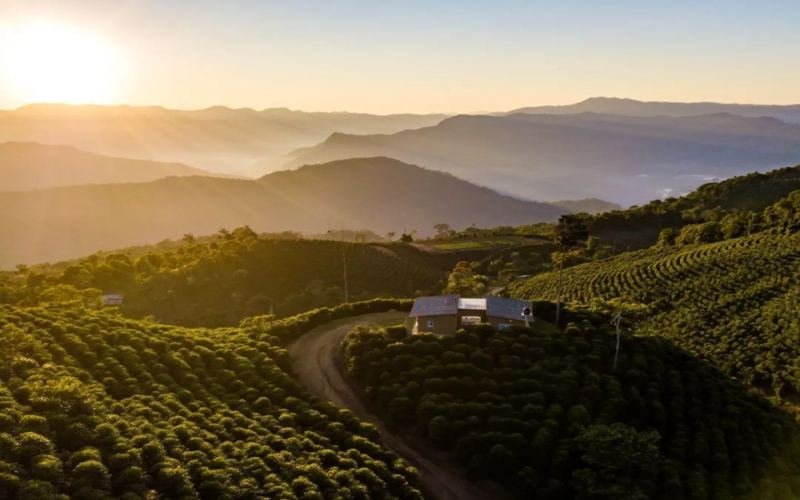
Although Bolivia is hailed as an ideal place for growing coffee, its production has always been limited. The high altitude and diverse terrain give the coffee rich sweetness and soft acidity. It was with Bolivian Geisha that Miki Suzuki, runner-up in the 2017 WBC, won attention. However, steep roads, the temptation of coca cultivation, and the blow of leaf rust in 2013 have repeatedly brought twists and turns to the coffee industry of this landlocked South American country. From the glory of the COE competition to the export difficulties amid political turmoil, the revival of Bolivian specialty coffee cannot be separated from the perseverance of the Rodriguez family. They promote the Tomorrow's Sun project and have cultivated distinctive bean varieties such as Coco Natural Java. This article will introduce Bolivia's coffee-producing regions, historical context, and variety flavors, and Front Street Coffee also shares its cupping experience. [more…]